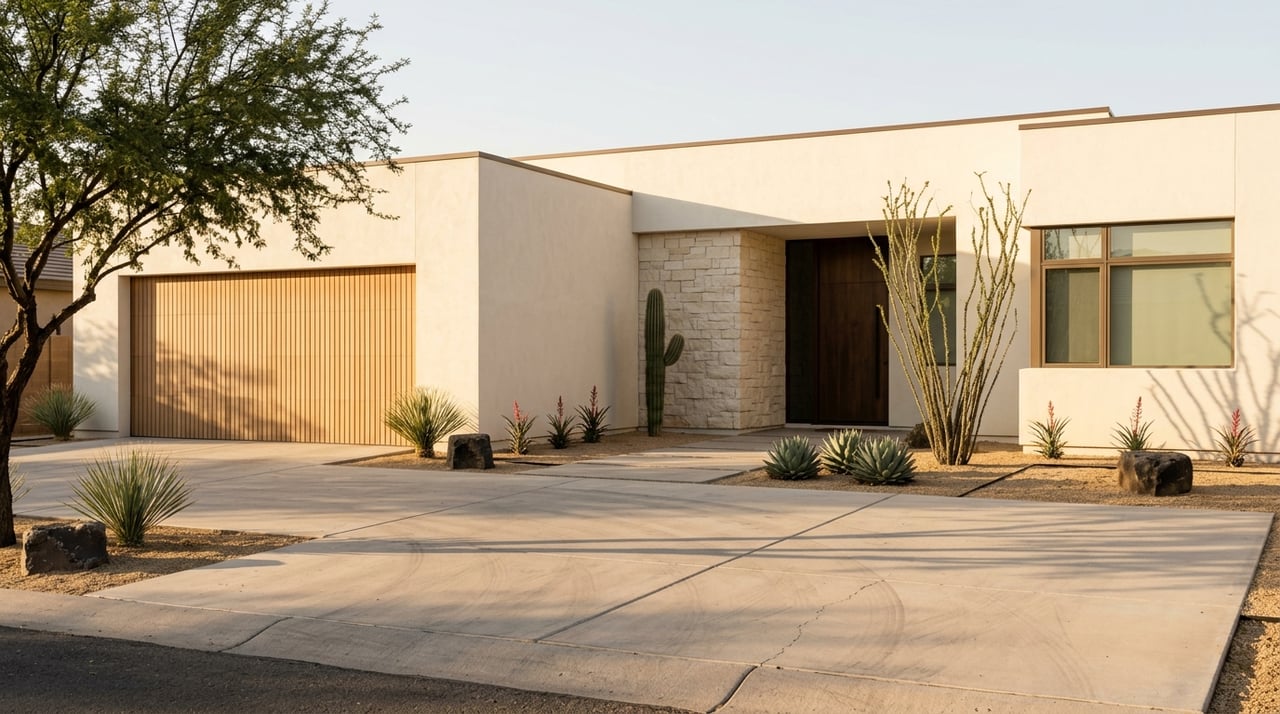
How to Choose Phoenix Neighborhoods for Buyers
If you are deciding between a Phoenix luxury neighborhood and a move-up neighborhood, the real question is not just how much home you can buy. It is what kind of daily life, long-term value, and flexibility you want. In a city as spread out and varied as Phoenix, the right fit comes from matching your priorities to the area, not chasing a name alone. Let’s dive in.
Phoenix is organized into 15 urban villages, and the City of Phoenix uses those village planning areas to help guide future function, density, and character. That matters because two neighborhoods with similar price points can still feel very different in layout, access, and long-term setting. When you compare options, it helps to look at the village, the neighborhood, and any special district or preservation overlay.
A simple price snapshot also helps separate move-up areas from true luxury pockets. Current listing-price snapshots put Phoenix overall around $475,000, Alhambra around $379,000, Ahwatukee around $443,900, Biltmore around $843,750, and Arcadia around $1.845 million. These are not fixed values, but they do offer a useful starting point for framing your search.
In Phoenix, luxury usually means more than a larger house. It often includes location, scarcity, architectural consistency, and a setting that is hard to duplicate. That is why areas like Arcadia and Biltmore stand apart from the broader move-up market.
Arcadia is one of Phoenix’s highest-value submarkets, with a median listing price around $1.845 million and about 72 days on market. The Arcadia Camelback special district was designed to sustain residential character and maintain very low density. For you as a buyer, that can translate into a mature, tightly held area with a consistent feel.
If your priority is prestige and limited supply, Arcadia is often where the conversation starts. You are not only buying square footage there. You are also buying into a location with established identity and scarcity that is difficult to recreate elsewhere in the city.
Biltmore offers a different version of luxury. The area blends central access with a resort and golf identity, and the Arizona Biltmore is recognized by the City of Phoenix as a 1929 landmark with Frank Lloyd Wright-influenced architecture. Current listing snapshots place Biltmore around $843,750 with about 76 days on market.
For many buyers, Biltmore works well when you want an upscale feel without moving as far into ultra-premium pricing as Arcadia. It can be a strong fit if convenience, established branding, and a polished central location matter as much as the home itself.
Some Phoenix buyers define luxury through architectural continuity rather than headline pricing. In North Central and nearby central neighborhoods, the appeal often comes from preserved streetscapes and a sense of history. The city’s historic register includes residential historic districts such as Willo, Windsor Square, Encanto-Palmcroft, and F.Q. Story.
If you love character, these areas may deserve a close look. Historic designation can help preserve the feel of a neighborhood and support long-term appeal, but it can also limit certain exterior changes or demolition. That tradeoff matters if you want flexibility for major remodeling.
Move-up neighborhoods in Phoenix usually give you a different kind of value. Instead of paying a premium for scarcity or status, you may gain more practical space, easier freeway access, or a lifestyle layout that fits everyday routines well.
Ahwatukee Foothills is one of the clearest move-up examples in Phoenix. The City of Phoenix describes it as outdoor-focused, with low-rise master-planned single-family neighborhoods and access via I-10. Listing snapshots show a median listing price around $443,900, with 52 days on market and 53 active listings.
If your goal is comfortable suburban living with a more established neighborhood structure, Ahwatukee can make a lot of sense. You may find that it offers a better balance of house size, neighborhood planning, and accessibility than some central luxury areas.
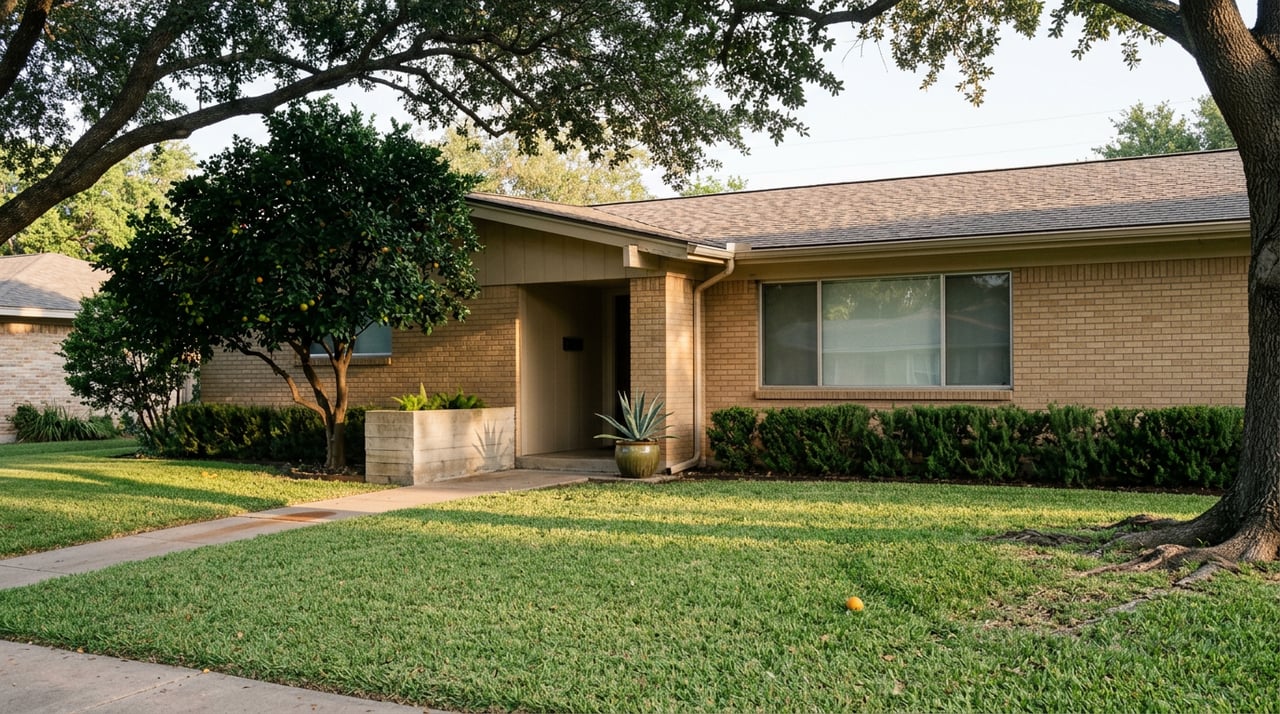
Alhambra is a strong option if you want a central Phoenix location and neighborhood character without entering luxury price territory. The city says the area grew mainly in the postwar era and is known for small ranch-style homes, while the eastern side includes larger homes near the Murphy Bridle Path and Windsor Square. Nearby listing snapshots place Alhambra around $379,000.
For buyers focused on proximity and personality, Alhambra can offer a practical middle ground. It is especially useful to consider if you care more about central access and established housing stock than about prestige branding.
Desert View is a hybrid choice for buyers who want room to spread out and a desert-edge feel. According to the City of Phoenix, the area ranges from higher-density development along Loop 101 near Desert Ridge to equestrian, low-density, horse-property, and large-lot uses farther north. It also includes master-planned communities and condos near the core.
That range gives you options. If you want a mix of scenery, lot variety, and neighborhood types, Desert View can offer more flexibility than a tightly defined luxury enclave.
One of the biggest differences between Phoenix neighborhoods is how they shape your day. Central City is the downtown core and an official transportation hub, with freeways, public transit, and Sky Harbor International Airport. Camelback East is more centrally placed than areas like Ahwatukee or Desert View, while those outer villages lean more on freeway access and suburban layout.
That means your location choice is not only about the house. It is also about how often you want to drive, how quickly you need to reach major work or travel corridors, and whether you prefer a more central or more spread-out pattern of living.
Camelback East helps many buyers bridge the gap between move-up and luxury thinking. The city says the village has primary cores at 24th Street and Camelback Road and at 44th Street and Van Buren, with much of the housing stock built between 1950 and 1970. The presence of three five-star resorts also gives parts of the area a resort-living feel.
For you, that can mean access to central convenience, established housing, and a more elevated setting without requiring the same price point as Arcadia. It is a useful area to review when your priorities are mixed.
Architecture matters in Phoenix because it often shapes both neighborhood appeal and future flexibility. In preserved central districts, the city’s historic-preservation framework is designed to protect important buildings and neighborhoods. That can support lasting character and make the supply feel more limited.
On the other hand, preserved areas can come with stricter limits on changes than newer master-planned communities. If you want a home you can heavily rework, expand, or modernize, that should be part of your neighborhood decision from the start.
From a resale perspective, ask yourself what future buyers are likely to value in that area. In one neighborhood, it may be low density and prestige. In another, it may be freeway access, lot size, or architectural identity. The strongest choice is usually the one where your priorities match the reason the area is in demand.
If you feel stuck, start by defining what you are really buying. In Phoenix, most neighborhood decisions come down to one of four goals:
This framework is practical because it keeps your search focused on tradeoffs that matter in real life. The best neighborhood for you is the one that supports how you want to live, not just how a listing looks online.
When you are comparing Phoenix luxury and move-up neighborhoods, a local broker’s perspective can make the process much clearer. With deep Valley experience, strong negotiation skill, and a design-aware eye for value, Karen Abinet can help you narrow the field and choose with confidence.
Stay up to date on the latest real estate trends.
Experience personalized service, expert negotiation, and proven results. Work with a trusted broker dedicated to helping you achieve your goals.